Common problems with access and garden maintenance Hendon
If you have ever tried to keep a garden tidy in Hendon and thought, "Why does this feel harder than it should?", you are not alone. Common problems with access and garden maintenance Hendon usually come down to a mix of narrow side passages, awkward layouts, shared entrances, overgrown planting, and the simple reality that some gardens are just difficult to work in. Add in seasonal growth, waste removal, and the need to move tools safely, and a straightforward tidy-up can quickly become a bit of a puzzle.
This guide looks at the real issues people run into, why they matter, and what practical steps make maintenance easier. It also explains when a professional approach is worth considering, especially if access is tight, the garden is heavily overgrown, or the work needs to be done neatly and safely rather than rushed.
Table of Contents
- Why it matters in Hendon
- How access and maintenance challenges play out
- Key benefits of getting it right
- Who this is for
- Step-by-step guidance
- Expert tips for better results
- Common mistakes to avoid
- Tools, resources and recommendations
- Law, compliance and best practice
- Options and comparison
- Real-world example
- Practical checklist
- Conclusion
- Frequently asked questions
Why Common problems with access and garden maintenance Hendon Matters
Access issues are not just an inconvenience. They affect the quality of the work, the time it takes, the cost, and sometimes even the safety of the people doing it. In Hendon, where homes can range from compact terraces to larger family gardens and shared-access properties, the route into the garden can be just as important as the garden itself.
A narrow passage, a locked gate, steps, fragile paving, or no easy place to store waste can all turn routine maintenance into something much more involved. That matters because gardens left partially maintained tend to move quickly from "a bit wild" to genuinely difficult. Once brambles spread, hedges harden, lawns thin out, and paths become slippery, the job gets slower and the result is often less tidy.
There is also a practical money side to it. If access is awkward, a gardener may need more labour time, extra equipment handling, or multiple trips to remove cuttings. That does not mean every awkward garden is expensive, but it does mean the setup needs careful thought. Truth be told, many problems could be reduced with a little planning before the first cut is made.
For homeowners and landlords, regular upkeep is especially helpful. It protects boundaries, keeps entrances usable, and prevents small issues from becoming big weekend headaches. If you are weighing up longer-term maintenance, the team behind garden maintenance in Hendon can help keep the work consistent rather than reactive.
How Common problems with access and garden maintenance Hendon Works
The phrase "access and garden maintenance" sounds simple, but in real life it usually involves three layers: getting in, moving around, and getting waste out. If any one of those is awkward, the whole task becomes harder.
1. Getting into the garden
The first issue is often the route from the street or house to the garden. Common pinch points include side alleys, shared hallways, split-level entrances, narrow gates, tight turns, and raised thresholds. Even if a mower or hedge cutter physically fits through the gap, it may be awkward to carry safely.
That is where a quick site assessment matters. A good plan identifies the widest path, checks for loose slabs, notes any low walls or overhanging branches, and decides what equipment can be brought in without damage. No drama, just practical thinking.
2. Working within the space
Once inside, the next challenge is often simply movement. Overgrown beds, hidden edges, and clutter can make it difficult to mow, trim, or clear the area properly. In smaller Hendon gardens, a compact layout can leave very little room to turn tools around. In larger gardens, the problem may be distance rather than size, especially if the whole site has become uneven or neglected.
Maintenance usually includes tasks such as mowing, hedge trimming, weeding, pruning, leaf collection, border shaping, and general tidying. If the garden has become overgrown, a garden clearance service may be the better first step, because you cannot maintain what you cannot reach.
3. Removing green waste and debris
Cuttings, branches, soil, and general debris need somewhere to go. If access for bags, bins, or a waste vehicle is poor, the cleanup stage can take longer than the cutting stage. This is one reason some gardens look "finished" in photos but are still messy in practice; the visible work is done, but the waste has been left sitting there. Not ideal.
Where waste sorting matters, it also helps to think about disposal and sustainability early. The page on recycling and sustainability is useful for understanding a more responsible approach to green waste handling.
4. Safety and property protection
When access is tight, the risk of scuffing walls, cracking pots, damaging paving, or slipping on damp surfaces goes up. A small mistake with a wheelbarrow or hedge trimmer can cause more annoyance than the original garden problem. That is why careful moving, good footwear, and the right tools matter far more than most people think.
Key Benefits and Practical Advantages
Sorting out access issues and keeping maintenance on a sensible schedule brings benefits you can actually feel, not just read about.
- Cleaner, more usable space: paths stay clearer, entrances stay safer, and the whole garden feels easier to enjoy.
- Less labour over time: regular maintenance usually takes less effort than rescuing a neglected plot.
- Lower risk of damage: planned access reduces the chance of broken paving, scratched fences, or damaged planting.
- Better presentation: a neat garden can improve the look of a property, which matters for both homeowners and landlords.
- More reliable scheduling: when the route in and out is known in advance, jobs are easier to time and complete.
- Safer working conditions: clear access helps reduce trips, lifting strain, and tool mishandling.
There is also a quieter benefit: less stress. A garden you can maintain without dreading the process is simply easier to live with. And that, frankly, is half the battle.
Who This Is For and When It Makes Sense
This topic is relevant to a surprising range of people. It is not just for homeowners with a "too much garden, not enough time" problem.
It makes sense if you are:
- a homeowner with narrow side access or a compact rear garden
- a landlord trying to keep a property presentable between tenancies
- a householder returning from holiday to find the garden has run away with itself
- someone with mobility concerns who needs safer, clearer access
- an owner of a mature garden with hedges, shrubs, or trees that now overwhelm the space
- a person planning improvement work and wanting the site tidied first
It also makes sense if you are trying to decide between regular upkeep and one-off rescue work. Regular care is usually best for gardens that are basically healthy but awkward. One-off clearance is more appropriate when access is blocked, growth is heavy, or the space needs resetting before ongoing maintenance can begin. If you are unsure which route fits, looking at the wider services overview can help you match the issue to the right kind of work.
Step-by-Step Guidance
Here is a practical way to approach garden access and maintenance problems without making a mess of the process.
- Walk the route from front to back. Check gates, steps, narrow passages, lighting, and any obstacles. If you would struggle carrying a bag of compost through it, a gardener probably will too.
- Identify what is actually blocking maintenance. Is it overgrowth, clutter, poor access, uneven ground, or all four? Be honest here. It saves time later.
- Choose the right first job. If the garden is heavily overgrown, clearance may come before mowing or hedge shaping. Trying to cut everything at once can be messy and unsafe.
- Decide how waste will leave the site. Bags? Wheelbarrows? Multiple trips? A clear plan avoids piles of cuttings sitting around for days.
- Prepare the working area. Move ornaments, bikes, hoses, children's toys, and anything fragile. It sounds obvious, but these are the things that end up underfoot.
- Use tools suited to the access. Compact mowers, hand tools, and lighter kit may be better in narrow spaces than bulky equipment.
- Work from back to front. This keeps cleared areas usable and prevents trampling over finished sections.
- Finish with edging and a final sweep. This is the bit that makes the garden look properly cared for rather than simply cut back.
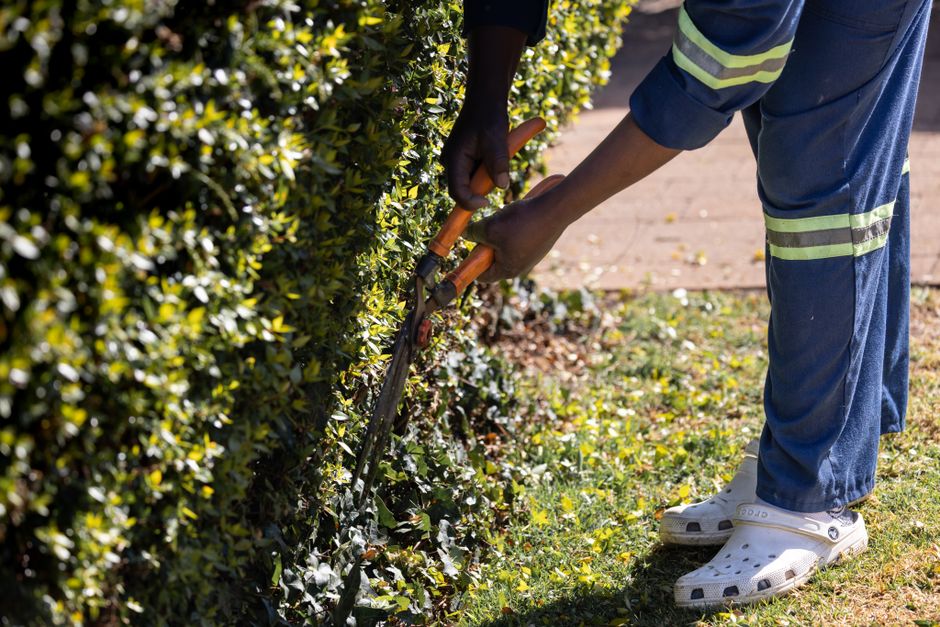
If hedges are part of the issue, especially where they lean into paths or block light, a hedge trimming service can help restore shape and access without turning the whole garden into a stump field.
Expert Tips for Better Results
In practice, the best results come from thinking a step ahead. The work goes faster, the finish is better, and fewer surprises crop up mid-job.
1. Start with the route, not the plants. If access is poor, clear the path first so the rest of the work can happen safely. It is a small shift, but it changes the whole job.
2. Use seasonal timing wisely. In spring and early summer, growth can be quick and thick. In autumn, fallen leaves and damp surfaces become the issue. You do not fight the season; you work with it.
3. Keep hedge lines and lawn edges under control. A trimmed hedge and neat edge create visual order even before the whole garden is finished. Small wins count.
4. Avoid overloading waste bags. Heavy loads are harder to carry through narrow access and more likely to tear. Smaller loads are boring, yes, but much easier.
5. Inspect gates and locks before starting. A gate that sticks or a latch that jams can waste more time than the trimming itself. Simple fix, big payoff.
6. Keep a basic access note. If the garden is used regularly, make a note of any awkward turn, slippery patch, or low step. Next time is smoother.
To be fair, some gardens are just a bit awkward. That is not a failing. It just means the approach needs to be smarter than usual.
Common Mistakes to Avoid
Most access and maintenance problems become worse when people try to force the job rather than plan it.
- Starting with mowing when the garden is clearly overgrown. The mower will not solve brambles, debris, or blocked routes.
- Ignoring waste removal. A neat border with a mountain of cuttings beside it is not really a tidy garden.
- Forgetting about weather and surface conditions. Wet paving, mud, and moss can make access much less safe.
- Using oversized tools in small spaces. Bigger is not always better. Sometimes it is just clumsy.
- Not checking for hidden hazards. Old garden furniture, broken glass, toys, stones, and cable runs can all catch you out.
- Cutting back too aggressively. Harsh pruning can stress plants and leave the garden looking bare or unbalanced.
- Leaving maintenance too long. This is the biggest one. A manageable garden can become a project, and then a project becomes a headache.
There is one more mistake that gets overlooked: not asking what outcome you actually want. A "tidy-up" might mean a quick surface clean for one homeowner, but a full reset for another. Those are not the same job at all.
Tools, Resources and Recommendations
You do not need a van full of specialist kit to improve access and garden maintenance, but the right tools do make life easier.
| Problem | Useful approach | Why it helps |
|---|---|---|
| Narrow access | Compact hand tools, smaller loads, clear route planning | Reduces strain and lowers the risk of damage |
| Overgrown borders | Secateurs, loppers, hedge trimmers, staged cut-back | Makes dense growth manageable without rushing |
| Heavy leaf fall | Rakes, sacks, frequent clear-ups | Prevents slippery paths and blocked corners |
| Blocked waste routes | Pre-sort debris, use smaller bags, plan disposal in advance | Stops the job from stalling at the end |
| Uneven or awkward terrain | Careful walking lines, stable footwear, task-by-task movement | Improves safety and control |
If you prefer to compare service options before committing, the pricing and quotes information is a sensible place to start. It helps set expectations around scope rather than just focusing on the headline price.
For people who want a broader picture of how a team operates, the pages on about us and insurance and safety are also worth a look because they give useful reassurance on practical standards and working methods.
Law, Compliance, Standards, or Best Practice
Garden maintenance is not usually heavy on formal regulation for the average homeowner, but there are still sensible UK best practices worth following. If work involves tools, ladders, pruning at height, shared access, or the removal of larger branches, the approach should be careful, planned, and proportionate to the job.
In simple terms, the most important standards are common-sense ones: avoid blocking communal access, keep pathways clear, handle tools safely, and do not attempt work that is beyond the equipment or experience available. If trees are involved, especially near boundaries or structures, it is wise to be cautious and avoid guesswork. A tidy hedge is one thing; a badly handled tree job is another entirely.
For service providers, clear policies on health and safety, complaints procedure, and payment and security also matter because they signal that the business takes the work seriously and handles customer arrangements properly.
There is also a sustainability angle. Green waste should be handled responsibly where possible, and reusable material should not be mixed in with general rubbish without thought. That part is not glamorous, obviously, but it matters. A lot.
Options, Methods, or Comparison Table
There is more than one way to deal with access and maintenance problems. The right choice depends on how blocked the garden is, how much ongoing care it needs, and how quickly you want results.
| Approach | Best for | Pros | Limits |
|---|---|---|---|
| Routine maintenance | Gardens that are already reasonably manageable | Prevents build-up, keeps access open, easier to budget for | Less effective if the garden is already badly overgrown |
| One-off clearance | Neglected or obstructed spaces | Resets the garden, removes blockages, creates breathing room | Does not prevent future overgrowth unless followed by upkeep |
| Combined clearance and maintenance | Gardens that need both a reset and a plan | Efficient, practical, long-term friendly | Needs a clear scope and sensible timing |
| Landscape redesign | Repeated access problems or poorly planned layouts | Can fix the underlying layout issue | More involved and may need design thinking first |
If access has been the same headache for years, redesign may be more useful than repeated patch-up work. That is where landscape gardening and landscaping become relevant, because sometimes the real fix is changing the space, not just trimming it again.
Case Study or Real-World Example
Imagine a typical Hendon rear garden: a narrow side return, a slightly sticky gate, a patchy lawn, and two hedges that have grown into the walking line. Nothing dramatic on day one. Then autumn arrives, leaves build up, the path gets damp, and suddenly the route to the back shed feels like a small obstacle course.
In a case like that, the most practical approach is usually:
- clear the access route first
- remove debris and hidden clutter
- cut back hedges enough to restore safe movement
- mow or scarify the lawn if conditions allow
- collect waste in stages rather than all at once
- finish with edging and a final sweep
The interesting thing is that the transformation often looks bigger than the amount of work suggests. Once the garden is navigable, every other task becomes easier. You stop dodging the same bramble every time you cross the path. You can see the edges again. The place starts to breathe a bit.
That is the real win, honestly: not just "cleaner," but easier to live with.
Practical Checklist
Use this before booking work or starting a DIY tidy-up.
- Is the access route clear enough for tools and waste to move safely?
- Are gates, locks, and side passages working properly?
- Is the garden overgrown enough to need clearance before maintenance?
- Are there steps, slopes, or slippery surfaces that need extra care?
- Have fragile items, toys, hoses, and ornaments been moved out of the way?
- Is there a plan for green waste removal?
- Do hedges or branches block access or light?
- Will the work require more than a standard mow?
- Is regular maintenance needed after the first visit?
- Have you checked the provider's service information and practical policies?
Before you go any further, it is worth reviewing the site's broader accessibility statement if your garden or entry route has special access considerations. It can help clarify what kind of support is realistic.
Conclusion
Common problems with access and garden maintenance Hendon are usually less about the garden being "bad" and more about the layout, the growth, and the practicalities of reaching every part of the space. Narrow access, hidden clutter, overgrown hedges, wet paths, and awkward waste removal all make the work harder than it first appears.
The good news is that these issues are very manageable when they are approached in the right order. Start with access, then clear the obstruction, then maintain what is left. Simple, really. Not always easy, but simple.
Whether you need a reset, a regular schedule, or a more thoughtful redesign of the space, the best results come from clear planning and steady upkeep. And once the garden is back under control, it stops feeling like another job waiting to happen. It just becomes part of home again.
Get a free quote today and see how much you can save.
If you are ready to improve access, reduce the strain of maintenance, and make the garden easier to enjoy week after week, the next sensible step is to speak with a trusted local team through the contact page.
Frequently Asked Questions
What are the most common access problems in Hendon gardens?
The most common issues are narrow side passages, tight gates, shared entrances, steps, uneven paving, and limited room to move tools or waste through the property safely.
Why does poor access make garden maintenance more expensive?
Poor access can increase labour time, slow down waste removal, and require smaller loads or more careful handling. That extra effort often shows up in the overall quote.
Can a garden be maintained if the access is very narrow?
Yes, usually. The job may just need a more compact tool set, a better work sequence, and a clearer plan for moving materials in and out.
Do I need garden clearance before regular maintenance?
If the garden is heavily overgrown, clearance is often the sensible first step. Once the main obstruction is gone, routine maintenance becomes far easier and more cost-effective.
How often should a Hendon garden be maintained?
That depends on plant growth, garden size, and how tidy you want it to stay. For many gardens, regular seasonal maintenance works better than waiting until everything is badly overgrown.
What should I tell a gardener before they visit?
Tell them about access routes, gate widths, steps, parking limitations, waste disposal needs, and any fragile items or features that need extra care. The more honest the detail, the smoother the visit.
Is hedge trimming useful for improving access?
Very often, yes. A hedge that leans into paths or blocks movement can make the whole garden feel cramped. Trimming it back can immediately improve access and light.
What if my garden has shared access with neighbours?
Shared access needs a little more coordination. It is best to make sure the route can be used safely and respectfully, especially if bins, bikes, or foot traffic are involved.
Can landscaping help fix repeated access problems?
Yes. If the same access issue keeps coming back, landscaping can sometimes improve the layout itself, rather than just tidying around the problem.
How do I know whether I need one-off work or ongoing maintenance?
If the garden is already manageable but keeps slipping behind, ongoing maintenance is usually best. If the space is blocked, overgrown, or difficult to enter, a one-off reset may be the better start.
Should I worry about safety when doing my own garden maintenance?
Yes, especially where access is tight, surfaces are slippery, or heavy waste needs moving. A bit of caution goes a long way, and sometimes it is wiser to leave awkward jobs to experienced hands.
Where can I read more about the company before booking?
You can learn more on the about us page, and if you want to understand the wider service offer, the services overview is a useful place to start.