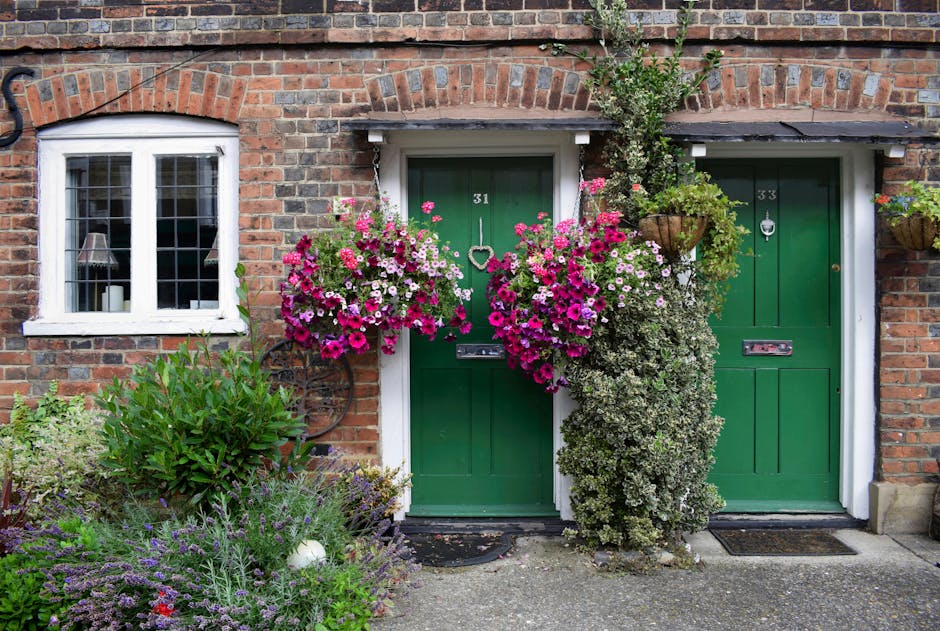
Hendon Central gardeners top tips for small front gardens
Small front gardens can be surprisingly tricky. You want kerb appeal, but you also need something that feels calm, manageable, and suited to London living. That usually means making every square metre work a bit harder without turning the space into a fussy display that needs constant trimming. The best Hendon Central gardeners top tips for small front gardens are the ones that balance looks, function, and easy upkeep from the start.
In a place like Hendon Central, front gardens often have to deal with shade from nearby buildings, narrow paths, regular foot traffic, and the simple fact that space is tight. Truth be told, that is exactly why a thoughtful plan matters. A small garden done well can look sharper than a bigger one that feels cluttered. And yes, even a modest frontage can make the whole house feel more welcoming before anyone has stepped through the door.
In this guide, you will find practical advice on layout, planting, materials, maintenance, and common mistakes to avoid. If you are comparing professional help, it can also be useful to look at the range of gardening services available and how pricing and quotes are typically handled before you commit to a plan.
Expert summary: the best small front gardens are simple, layered, and easy to maintain. Start with structure, choose plants that suit the conditions, and leave breathing room. That one rule saves a lot of regret later.
Table of Contents
- Why small front garden design matters in Hendon Central
- How a smart small-garden plan works
- Key benefits and practical advantages
- Who this is for and when it makes sense
- Step-by-step guidance
- Expert tips for better results
- Common mistakes to avoid
- Tools, resources and recommendations
- Law, compliance, standards, and best practice
- Options, methods, and comparison table
- Case study or real-world example
- Practical checklist
- Conclusion
- Frequently asked questions
Why Hendon Central gardeners top tips for small front gardens Matters
A small front garden does more than decorate the front of a house. It sets the tone. It frames the entrance, softens brickwork, and quietly tells people how the property is cared for. In Hendon Central, where streets can feel busy and close together, that first impression matters even more. A neat, well-planned front garden can make a home look larger, lighter, and more considered.
It also affects how easy the space is to live with. A front garden that is full of awkward corners, thirsty plants, or overcomplicated paving becomes a chore. Before long, people stop maintaining it properly, and then the whole area starts to feel tired. We have all seen that happen. A few months of neglect in a small space is enough to make it look twice its size in the wrong way.
The reason these tips matter is simple: small spaces punish bad decisions. A large shrub in the wrong place can block a window. Too many materials can make the garden feel chopped up. The wrong plant mix can leave you with bare soil for half the year and constant watering in summer. Smart design avoids those traps and gives you something that still looks good on a wet Tuesday in February.
There is another benefit too. Good front garden design can support drainage, reduce mess near the entrance, and make access easier for bins, prams, or bikes. That practical side gets overlooked. To be fair, not every front garden needs to be showy. It just needs to work.
How Hendon Central gardeners top tips for small front gardens Works
The core idea is to treat a small front garden as a composition, not a container to fill. That means deciding what should be visible, what should be softened, and what should be easy to maintain. Most good designs start with three layers: structure, planting, and finishing details.
Structure gives the garden shape. This might be a path, a low wall, edging, a gate, or a simple paved area near the entrance. In a small space, structure should guide movement and create order. If people naturally know where to walk, the whole garden feels more relaxed.
Planting brings the garden to life. In small front gardens, planting should usually be compact, layered, and restrained. That does not mean boring. It means choosing a few strong plants that earn their place rather than using a dozen different ones fighting for attention.
Finishing details are the quiet bits that make the difference: mulch, pots, lighting, tidy edging, and a clean surface. These details are not glamorous, but they are the reason a garden feels finished instead of half-done.
In practical terms, the process often looks like this: measure the space, note the sun and shade, decide how much of the area must remain accessible, and then choose a layout that supports those needs. Small front gardens usually do best when the design is simple enough to maintain after a long day. Nobody wants a front garden that behaves like a second job.
Key Benefits and Practical Advantages
When a small front garden is designed well, the advantages show up quickly. Some are visual, but quite a few are practical.
- Better kerb appeal: a clean, balanced frontage makes the whole property look more cared for.
- Easier upkeep: fewer, smarter plant choices mean less pruning, less watering, and less replanting.
- Improved space use: the garden feels more open because every section has a purpose.
- More seasonal interest: layered planting gives colour and texture across the year, not just in one month.
- Safer and clearer access: a sensible path and tidy boundary reduce clutter around the entrance.
- Stronger first impression for visitors or buyers: neat design suggests the rest of the home has been looked after too.
There is also a more subtle benefit: a well-finished small front garden tends to feel calmer. You notice the plants, the line of the path, the way the space sits against the house. It has a little breathing room. That matters in a city where everything can feel rushed.
If you are thinking about professional support, it helps to understand the company behind the work. A look at the team's background and values can give you a better sense of how they approach careful garden planning. And if you want to understand service standards before any work begins, health and safety practices and insurance and safety information are worth checking too.
Who This Is For and When It Makes Sense
This advice is especially useful if your front garden is small, awkwardly shaped, or hard to keep tidy. It is also a good fit if you are tired of plants that outgrow their space, or if the front area has drifted into a random mix of pots, gravel, and one stubborn shrub that nobody quite likes but nobody has removed either.
You may benefit from this approach if you are:
- a homeowner wanting better kerb appeal without a major rebuild;
- a landlord trying to keep the frontage tidy between tenancies;
- a busy household that needs low-maintenance planting;
- someone dealing with shade, dry soil, or narrow access;
- planning to refresh the entrance before selling or letting a property;
- trying to make a small area feel more welcoming without losing usable space.
It also makes sense if you already know you do not want an overly ornamental garden. Some people like a softer, more natural style. Others want a crisp, modern look with clean lines. Small front gardens can support both, as long as the design is disciplined. That is the trick, really.
Step-by-Step Guidance
1. Start with the actual footprint
Measure the space and sketch the main fixed elements: doorway, path, steps, drains, fences, walls, and any existing trees or shrubs. In a small garden, just one immovable object can change the whole layout. Do not guess. Guessing usually leads to a plant that blocks the path by August.
2. Observe light, wind, and moisture
Spend a little time watching the garden at different points in the day. Does the front get full sun, half shade, or mostly shade? Does rain pool by the wall? Is one corner exposed to wind from the street? These observations matter more than people expect. A plant that looks great in a sunny border may sulk in a shaded front yard.
3. Decide the main job of the garden
Ask yourself what the space must do. Should it simply frame the house neatly? Do you want room for bins, bikes, or a small seating spot? Is the priority low maintenance? Small front gardens work best when the main job is clear. Trying to make the space do everything usually makes it do nothing well.
4. Build a simple structure
Keep paths direct, edge lines clean, and surfaces consistent where possible. One material for the path, one for edging, and one dominant planting style is often enough. If you are using paving, choose something that does not dominate the scale of the garden. Bigger slabs can sometimes help a small space feel less busy.
5. Plant in layers, but not in crowds
Use a backdrop of evergreens or compact shrubs, then add seasonal planting in front. Leave space between plants so they can grow without fighting for light. A small front garden can look very rich with only a few species repeated well. Repetition is your friend here. It makes the eye relax.
6. Finish with tidy details
Add mulch to suppress weeds and keep moisture in the soil. Refresh the edges. Clean the path. Check for wobbly stones or uneven spots. These are the things that turn a decent garden into one that feels properly looked after.
7. Plan for maintenance from day one
If a design needs weekly fussing, it may be too demanding for the space. Choose shrubs that do not need constant reshaping and plants that stay within bounds. Small front gardens should reward you, not nag you.
Expert Tips for Better Results
Here is where experience starts to save time. Small front gardens usually improve when you do less, but do it more carefully.
Use fewer plant types, repeated more often. A group of three or five of the same plant often looks more intentional than a mixture of seven different ones. It is a small design habit, but it changes everything.
Choose plants that earn their keep all year. Evergreens, compact grasses, small flowering shrubs, and plants with good winter structure are often more useful than seasonal showstoppers alone. The garden should not go to sleep in November.
Think about sightlines from the street. What do people see first? If the entrance is hidden behind a dense hedge or tall planting, the garden can feel smaller than it is. Keep the front zone open enough to read clearly from a distance.
Use vertical interest carefully. A wall climber, slim tree, or tall container can help if the space feels flat. But one strong vertical element is usually enough. Add too many and the garden starts to feel cramped again. That is the irony of small spaces.
Pick materials that belong together. A front garden with too many colours of gravel, brick, stone, and pots can look restless. One restrained palette tends to age better and feels calmer at the front of the house.
Leave at least one open pocket. Even a tiny area of bare paving or simple planting can help the eye settle. A front garden with no visual rest becomes busy very quickly.
Sometimes the best move is to remove a plant that is technically healthy but visually wrong. That can feel a bit brutal in the moment. Then a week later, the whole place suddenly breathes. Funny how that works.
Common Mistakes to Avoid
Most small front garden problems come from overfilling the space or underplanning it. A few common mistakes show up again and again.
- Using plants that grow too large: a shrub that seems modest in the nursery can become a wall in six months.
- Mixing too many textures and colours: the eye has nowhere to rest.
- Ignoring maintenance access: bins, paths, gates, and doors still need clear space.
- Choosing gravel or paving without thinking about drainage: water needs somewhere to go.
- Planting too close to the house: this can create damp patches, mess, and awkward pruning later.
- Forgetting seasonal change: a garden should still have shape when flowers are gone.
Another mistake is making the space look neat on day one but impossible to keep neat by month three. That is the classic trap. It happens to homeowners and landlords alike. Small front gardens need realistic upkeep, not fantasy maintenance schedules.
It is also worth avoiding deep borders that swallow half the available width. In a small frontage, every extra inch matters. Sometimes a slim raised bed or a narrow strip of planting is far better than a full-width bed that leaves no circulation space.
Tools, Resources and Recommendations
You do not need a huge toolkit to improve a small front garden, but the right basics make the job easier and neater.
- Measuring tape: essential for layout, plant spacing, and path width.
- Sharp secateurs: for clean cuts on shrubs, dead growth, and light shaping.
- Spade and hand trowel: useful for planting and soil preparation.
- Fork or cultivator: helps loosen compacted soil.
- Mulch: keeps weeds down and supports moisture retention.
- Edging tool: creates a crisp finish along borders and paths.
- Wheelbarrow or sturdy tub: helpful if you are moving soil, compost, or old planting out.
For homeowners who would rather have the job planned and completed properly, it can help to review the full services overview and request pricing information and quotes before starting. That way you can compare the level of help you actually need rather than assuming every front garden requires a full overhaul.
If you are concerned about waste removal or want a more environmentally considerate approach, take a look at recycling and sustainability practices. In a small garden, even modest pruning or replacement work can create green waste, and it is sensible to know how that is handled.
Law, Compliance, Standards, or Best Practice
For a small front garden, the main compliance questions are usually practical rather than legal. Still, it is worth approaching the work with care.
Access and safety matter most. Paths should be stable and reasonably level where possible, especially near steps and entrances. Loose paving, slippery moss, or badly positioned pots can create trip hazards. In a busy London street, that is not something to shrug off.
Boundary and visibility should also be considered. Tall hedging or fencing near entrances and driveways should not create blind spots. If your front garden meets a pavement or road edge, keep planting trimmed so it does not spill into public access space.
Drainage is another best-practice issue. Very dense hard landscaping or impermeable surfaces can create puddling if water has nowhere to go. A good layout should help water move away sensibly instead of collecting by the house.
Working methods should follow sensible garden safety habits too. Tools should be used carefully, gloves are wise, and any work involving ladders, hedge cutting, or heavier lifting should be planned properly. If you hire help, it is fair to expect professional standards around safety, insurance, and clear terms. For service information, you may also want to review the terms and conditions and contact details before booking.
One more quiet point: if older paving, walls, or edging look unstable, do not ignore it just because the garden is small. Small jobs can still create real problems. Best practice is just that - best practice, not overthinking.
Options, Methods, and Comparison Table
There is no single right way to design a small front garden. The best method depends on your priorities, the amount of light, and how much maintenance you can realistically manage. This quick comparison may help.
| Approach | Best for | Pros | Trade-offs |
|---|---|---|---|
| Low-maintenance planting | Busy homeowners and landlords | Easy upkeep, tidy appearance, reliable year-round structure | Can look restrained if not layered well |
| Compact cottage-style planting | People who want softness and seasonal colour | Friendly, welcoming, full of interest | Needs more pruning and balance in a tiny space |
| Minimal contemporary layout | Modern homes or narrow frontages | Clean lines, calm look, easy to keep neat | Can feel stark without good planting choices |
| Mixed hard landscaping and planting | Homes needing access and structure | Flexible, practical, strong kerb appeal | Needs careful material selection to avoid clutter |
For many Hendon Central homes, a hybrid approach works best: a clear path, one or two main planting zones, and a few thoughtful feature points. Not too much. Not too little. That balance is where the good gardens live.
Case Study or Real-World Example
Imagine a narrow front garden with a short path, one patch of tired grass, a hedge that has grown wider than planned, and a couple of pots that have been there so long nobody remembers buying them. It is a familiar scene, especially on older streets. The space is not hopeless. It is just cluttered.
A sensible redesign might begin by narrowing the hedge, removing the weakest planting, and defining the entrance path more clearly. The grass could be replaced with a simple planted bed using evergreen structure, a small flowering shrub, and a few low, repeated perennials. A clean edge on each side of the path would immediately make the frontage feel more intentional.
What changes most is not the amount of planting. It is the clarity. Once the eye can read the space, the garden feels larger. You notice the house again. You notice the door. You notice that there is room to breathe. That, more than anything, is what makes a small front garden feel successful.
And yes, sometimes the fix is pleasantly boring. A tidy path, the right shrub in the right place, a bit of mulch, done. No drama. The garden stops fighting you.
Practical Checklist
Use this before you start any small front garden refresh.
- Measure the area and note fixed features.
- Check sun, shade, wind, and drainage.
- Decide what the garden must do first: access, display, privacy, or low maintenance.
- Choose a simple layout with clear lines.
- Select a small number of plant varieties and repeat them.
- Keep paths and entrances open.
- Leave enough room for mature plant growth.
- Use mulch or another finishing layer to reduce weeds.
- Check edges, paving, and steps for safety.
- Plan seasonal maintenance before planting.
If you can tick those boxes, you are already ahead of most rushed front garden makeovers.
Conclusion
The best Hendon Central gardeners top tips for small front gardens come down to restraint, clarity, and sensible planting. Small spaces need discipline more than decoration. Get the structure right, choose plants that fit the conditions, and keep the design easy to maintain. That combination creates a frontage that feels calm and welcoming instead of busy or overworked.
Small front gardens can be lovely. Honestly, they often are when people stop trying to force too much into them. A few good choices, repeated well, will usually beat a crowded design every time. And once it is done properly, you notice the difference every time you come home.
Get a free quote today and see how much you can save.
If you are ready to discuss ideas for your own front garden, you can also explore available gardening services or get in touch to talk through the space. A short conversation can save a lot of second-guessing later, which is no bad thing.
Frequently Asked Questions
What are the best plants for a small front garden in Hendon Central?
The best plants are usually compact, low-maintenance, and suited to your light levels. Evergreen structure, small flowering shrubs, and repeated perennials tend to work well because they stay tidy and give year-round shape.
How do I make a small front garden look bigger?
Keep the design simple, use fewer plant varieties, and avoid overcrowding. Clear lines, a direct path, and some open space help the eye move through the garden instead of stopping at clutter.
Is gravel a good option for a small front garden?
It can be, if it suits the property and drainage needs. Gravel works best when it is used deliberately and paired with strong edging and planting. On its own, it can look a bit bare.
How much maintenance does a small front garden need?
That depends on the design, but a well-planned small garden should need far less maintenance than an overcrowded one. Light pruning, weeding, and seasonal tidying are usually enough if you choose the right plants.
What is the cheapest way to improve a small front garden?
Often the cheapest improvements are tidying, pruning, re-edging, and simplifying the planting. You do not always need a full redesign. Sometimes removing a few poor choices makes the biggest difference.
Should I use pots in a small front garden?
Yes, but sparingly. Pots can add height and flexibility, especially near an entrance. Too many pots, though, can make a small space look cramped and harder to maintain.
How do I choose between a modern and cottage-style look?
Choose the style that matches the house and your willingness to maintain it. A modern look is usually cleaner and easier to keep neat. A cottage-style front garden offers more softness but often needs more regular trimming.
Can a front garden improve kerb appeal enough to matter when selling?
Yes, a tidy and attractive frontage can make a strong first impression. It will not solve everything, but it can change how the property is perceived before anyone steps inside.
Do I need professional help for a small front garden?
Not always, but professional help can be useful if the space is awkward, overgrown, or needs a better layout. It is especially helpful when you want a result that is tidy, balanced, and easy to maintain.
Are there any safety issues to think about in a front garden?
Yes. Uneven paving, slippery surfaces, poor lighting, and overcrowded entrances can all create trip hazards. It is worth checking these details before and after any work is done.
How often should a small front garden be refreshed?
Light seasonal refreshes are usually enough if the structure is good. Bigger changes may be needed every few years, depending on plant growth, weather exposure, and how much use the area gets.
Where can I learn more about your services and trust policies?
You can review about the team, service information, recycling and sustainability, and related policy pages such as insurance and safety or payment and security.